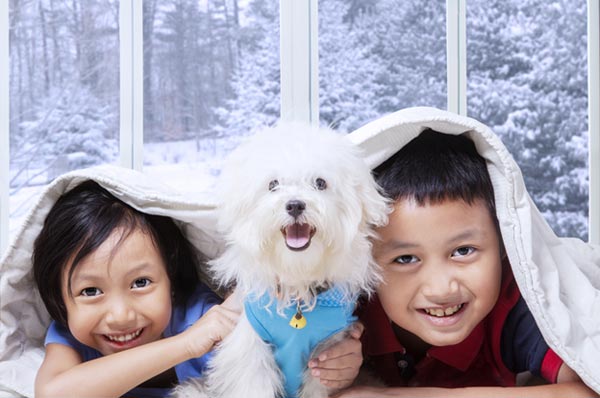
The east coast has been hit the hardest this winter. With many areas enveloped under a thick mound of snow, schools have been cancelled and kids and parents are hunkered down.
Snow days are equally awesome and miserable. Yes, everyone gets to sleep in a little longer, and those lazy days are often spent playing out in the snow, sipping hot chocolate or coffee and watching movies. But as everyone who lives in hard hit areas of the country knows too well, the novelty of snow days often wears thin after a few days.
Of course, there also is another family member affected by those days spent snowed in-the pets! Dogs especially thrive on routine, but they also love their humans. For pets, snow days are also a welcome change…but can became stressful if the weather begins to change their happy daily routines.
Keep kids and pets entertained and stress-free during extended snow days by planning lots of kid friendly and pet friendly activities both outdoors and indoors!
Continue Reading→

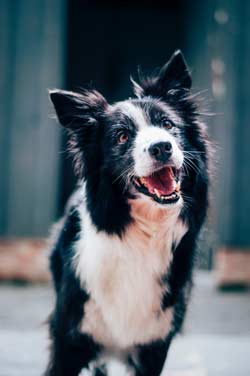 We all love to pamper our pets whether it’s through spending quality time with them by keeping them active or

 More often than not, dogs are referred to as man’s best friend. This case is true for many dog owners since their dogs are essential members of their family. As a dog owner, you must ensure that your dog feeds on a complete and balanced diet. A proper nutritional meal is as vital for you as it is for your dog. Dogs require a particular combination of carbohydrates, proteins, fats, vitamins, water and minerals in a bid to function normally. The only way to ensure that your dog gets the appropriate diet is to consider homemade dog food as an ideal alternative to commercial pet foods.